Understanding the Silver Exchange Landscape: Trends, Benefits, and How to Trade Safely
The global demand for precious metals has surged in recent years, and silver—renowned for its industrial utility and monetary heritage—has taken center stage. Whether you are a seasoned investor, a hobbyist collector, or someone curious about diversifying a portfolio, understanding the dynamics of a Silver Exchange is essential. In this article, we will dissect the historical context, market mechanics, and practical considerations that define modern silver trading. We’ll also explore digital avenues, focusing on Silverexch Online, a platform that exemplifies the transition from traditional dealer floors to secure, user‑friendly online marketplaces.
1. Historical Perspective: From Coinage to Commodity
Silver’s journey from the ancient minting of coins to its contemporary role as an industrial commodity is a narrative of adaptability. Historically, civilizations such as the Greeks, Romans, and later the United States minted silver coins as a store of value, leveraging its relative abundance compared to gold. The 20th century saw significant shifts when governments gradually moved away from the silver standard, paving the way for its industrial renaissance.
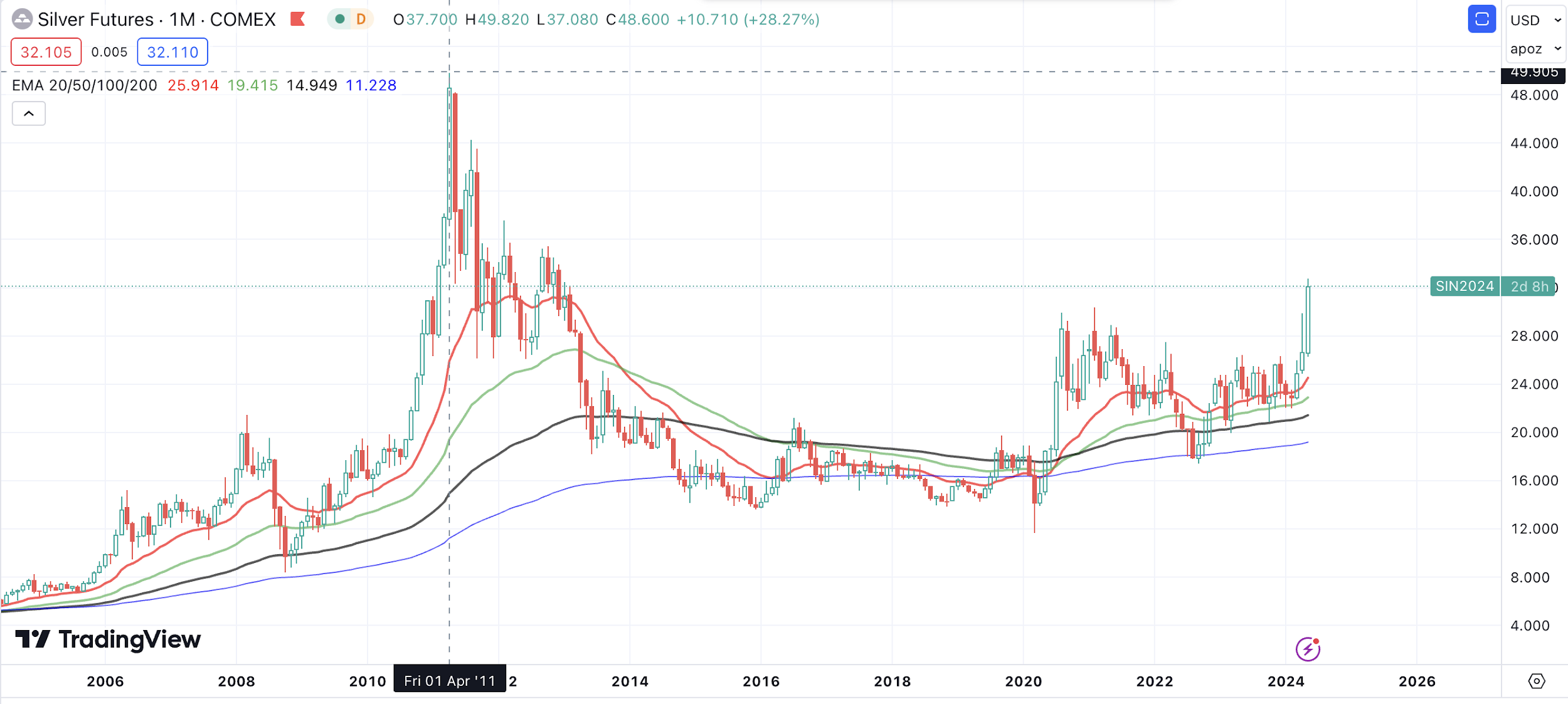
Today, silver is integral to sectors ranging from photovoltaic panels to medical equipment, creating a dual identity: a monetary asset and a practical raw material. This duality fuels its price volatility, making the Silver Exchange market both an opportunity and a challenge for participants.
2. Core Drivers of Silver Prices
Three primary forces shape silver’s market price:
- Industrial Demand: The rise of renewable energy, especially solar technology, has heightened demand for high‑purity silver due to its superior conductivity.
- Investment Sentiment: In times of economic uncertainty or inflationary pressure, investors often turn to silver as a hedge, driving up demand for physical bars and coins.
- Supply Constraints: Mining output, geopolitical tensions, and regulatory changes can affect the global supply of silver, influencing price trends.
Understanding these variables allows traders to anticipate market movements and make informed decisions when participating in a Silver Exchange.
3. Different Forms of Silver for Trading
When entering the silver market, investors encounter a variety of products, each with distinct characteristics:
- Physical Bullion: Coins (e.g., American Silver Eagle, Canadian Maple Leaf) and bars ranging from 1 gram to 1000 ounces. Physical ownership offers tangibility but requires secure storage.
- Exchange‑Traded Funds (ETFs): Instruments like the iShares Silver Trust (SLV) provide exposure without handling the metal, trading like stocks on major exchanges.
- Futures Contracts: Standardized agreements to buy or sell silver at a future date, typically used by professional traders for hedging or speculation.
- Digital Platforms: Services such as Silverexch Online enable the purchase, storage, and resale of certified silver assets through a secure, web‑based interface.
Choosing the right format depends on factors like liquidity needs, storage preferences, and risk tolerance.
4. How a Modern Silver Exchange Operates
Contemporary silver exchanges blend traditional brokerage principles with cutting‑edge technology. Key components include:
- Verification and Authenticity: Reputable exchanges source silver from accredited mints and refineries, often providing assay certificates that guarantee purity and weight.
- Transparent Pricing: Real‑time price feeds are anchored to benchmarks such as the London Bullion Market Association (LBMA) or COMEX, ensuring that buyers and sellers transact at fair market rates.
- Secure Settlement: Transactions are settled via electronic funds transfers, bank wires, or blockchain‑based tokens, depending on the platform’s infrastructure.
- Custodial Services: Many exchanges partner with insured vaults, offering clients the option to store their metal in high‑security facilities while retaining ownership documents.
Platforms like Silver Exchange embody these standards, fostering trust among participants and facilitating fluid market operations.
5. Advantages of Trading Silver Online
The digital era has reshaped how investors access precious metals. Advantages of using an online portal such as Silverexch Online include:
- Convenience: Users can browse inventory, place orders, and track deliveries from any internet‑connected device, eliminating the need for physical visits to dealers.
- Price Comparison: Real‑time dashboards allow side‑by‑side comparison of spot prices, premiums, and shipping fees, empowering buyers to secure the best deals.
- Enhanced Security: Multi‑factor authentication, encrypted communications, and insured vault storage reduce the risk of fraud and loss.
- Liquidity: Online markets often feature a broader buyer base, increasing the likelihood of swift resale or trade without substantial price concessions.
These benefits make digital silver exchanges an attractive option for both novice and seasoned traders.
6. Risks and Mitigation Strategies
Despite its appeal, silver trading carries inherent risks. Understanding and managing them is crucial for sustainable participation:
- Price Volatility: Silver’s price can swing sharply due to macroeconomic news. Mitigation involves diversifying across asset classes and setting stop‑loss orders where applicable.
- Counterparty Risk: Dealing with an insecure platform can expose investors to fraud. Conduct due diligence—verify licensing, read user reviews, and confirm vault insurance coverage.
- Liquidity Constraints: Physical bars, especially large ones, may be harder to liquidate quickly. Maintain a mix of smaller denominations and consider keeping a portion in ETFs for rapid access.
- Storage Costs: Insured vault space incurs fees. Evaluate the cost‑benefit of storage versus potential appreciation, and monitor any changes in custodial charges.
By adopting a disciplined approach—researching the Silver Exchange ecosystem, diversifying holdings, and leveraging reputable online services like Silverexch Online—investors can effectively navigate these challenges.
7. Step‑by‑Step Guide to Buying Silver on Silverexch Online
For readers ready to take action, the following sequence outlines a typical purchase process on Silverexch Online:
- Create an Account: Register using a valid email address, set a strong password, and verify identity through KYC (Know Your Customer) documentation.
- Explore Inventory: Browse the catalog of certified coins and bars, filtering by weight, purity, or price range.
- Review Pricing: Compare the listed premium against the current spot price, ensuring transparency.
- Add to Cart & Checkout: Select desired items, choose a delivery or vault‑storage option, and finalize payment via bank transfer or approved digital method.
- Receive Confirmation: An order confirmation email provides tracking information and storage details if applicable.
- Secure Storage: If opting for vault storage, the platform issues a digital ownership certificate linked to the physical item.
- Future Resale: When ready to sell, list the item on the same marketplace, where potential buyers can view the certificate and initiate a transaction.
This streamlined workflow exemplifies how modern Silver Exchanges blend technology with traditional metal trading practices.
8. Tax Implications and Regulatory Considerations
Investors should be aware that silver transactions may trigger tax obligations, varying by jurisdiction. In many countries, profits from the sale of precious metals are treated as capital gains, subject to reporting thresholds and potential exemptions for personal use. Key points to note:
- Record Keeping: Maintain detailed receipts, assay certificates, and transaction logs for each purchase and sale.
- Reporting: Include gains or losses on annual tax filings, and consult a tax professional to ensure compliance.
- Regulatory Compliance: Certain jurisdictions require reporting of large cash purchases or cross‑border shipments. Reputable platforms such as Silver Exchange typically facilitate the required documentation.
Staying informed about tax codes helps prevent unforeseen liabilities and promotes responsible investing.
9. Future Outlook: Silver’s Role in a Changing Economy
Looking ahead, several trends suggest that silver will retain, if not expand, its relevance:
- Green Energy Expansion: As nations commit to carbon‑neutral goals, demand for photovoltaic technology—and thus silver—will likely rise.
- Monetary Policy Uncertainty: Persistent low‑interest rates and inflation fears could drive investors toward tangible assets, reinforcing silver’s hedge appeal.
- Technological Innovation: Emerging applications in quantum computing and medical imaging may open new industrial avenues for silver, contributing to price support.
- Digital Integration: Platforms like Silverexch Online will continue to lower barriers to entry, democratizing access to the metal market.
These dynamics underscore the importance of staying current with market research and leveraging reputable exchanges for execution.
Conclusion
The silver market offers a compelling blend of historical gravitas, industrial utility, and investment potential. By grasping the fundamental drivers of price, recognizing the variety of tradable formats, and utilizing secure online marketplaces—especially a well‑established Silver Exchange—investors can position themselves for both short‑term gains and long‑term wealth preservation. Platforms such as Silverexch Online exemplify how technology enhances transparency, safety, and convenience, making the silver trade more accessible than ever before. As global trends evolve, staying informed, practicing diligent risk management, and engaging with reputable partners will remain the cornerstones of successful silver investing.